Now Reading: Unemployment Slightly Decreases in Morocco in Q1 2025, but Underemployment Rises
-
01
Unemployment Slightly Decreases in Morocco in Q1 2025, but Underemployment Rises
Unemployment Slightly Decreases in Morocco in Q1 2025, but Underemployment Rises

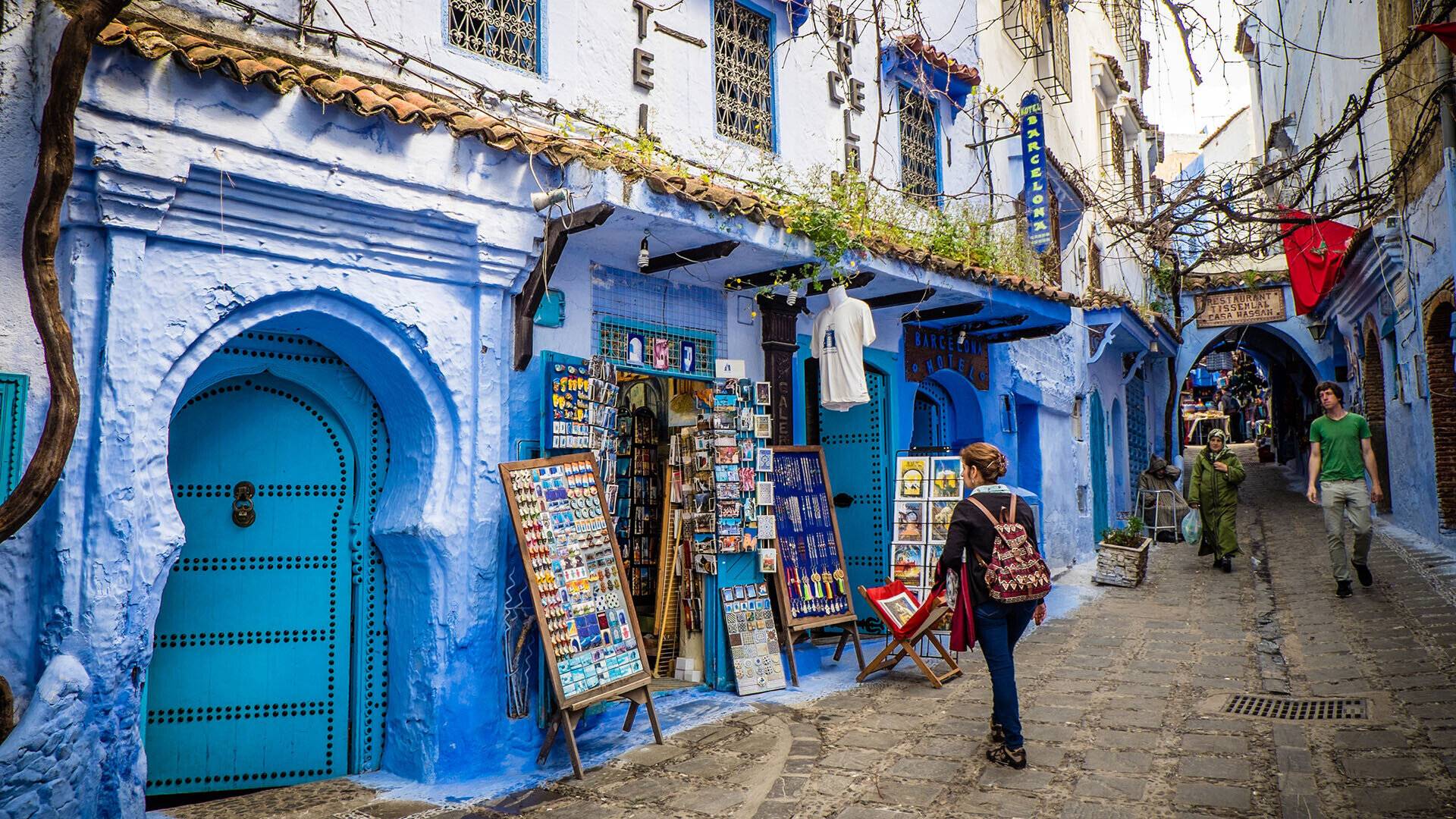
Morocco’s labor market showed mixed signals in the first quarter of 2025, as the official unemployment rate slightly decreased to 13.3%, down 0.4 percentage points compared to the same period in 2024. The data, released by the High Commission for Planning (HCP), reveals both progress and persistent challenges in the North African country’s employment landscape.
According to the HCP, the number of underemployed workers jumped significantly—from 571,000 to 662,000—now representing 11.8% of the labor force. This rise in underemployment in Morocco highlights ongoing issues in job quality and income stability, especially in vulnerable sectors.
While the agriculture, forestry, and fishing sectors saw a net loss of 72,000 jobs, the services, construction, and industrial sectors managed to absorb part of the labor force. In total, the Moroccan economy added 282,000 jobs in the first three months of the year, a stark contrast to the loss of 80,000 jobs during the same period in 2024.
Despite the positive job creation, youth unemployment remains critically high at 37.7% among individuals aged 15 to 24. Women face an unemployment rate of 19.9%, and university graduates continue to struggle, with 19.4% of them unemployed—signs of a mismatch between education and market demands.
Morocco Sees Slight Drop in Unemployment in Early 2025, But Underemployment on the Rise
The figures underline Morocco’s urgent need to reform labor policy and expand opportunities in high-growth sectors. As reported by Infobae, these dynamics are fueling debates on how to balance job quantity and quality in one of North Africa’s most diversified economies.
According to the World Bank, Morocco has shown resilience in macroeconomic terms, but inclusive growth and sustainable job creation remain priorities. The government is now expected to strengthen vocational training and promote private sector development, especially in tech, logistics, and green energy.
For more details, the full report can be found on the High Commission for Planning official site.
شهد سوق العمل في المغرب إشارات متباينة خلال الربع الأول من عام 2025، حيث انخفض معدل البطالة الرسمي بشكل طفيف إلى 13.3٪، أي بانخفاض قدره 0.4 نقطة مئوية مقارنةً بنفس الفترة من عام 2024. وأصدرت هذه البيانات المندوبية السامية للتخطيط (HCP)، لتُظهر تقدماً في بعض الجوانب، مقابل تحديات مستمرة في جوانب أخرى من مشهد التوظيف في المغرب.
ووفقًا لبيانات المندوبية، ارتفع عدد الأشخاص الذين يعانون من العمالة الناقصة بشكل كبير، من 571,000 إلى 662,000، ما يمثل الآن 11.8٪ من إجمالي القوة العاملة. ويعكس هذا الارتفاع في العمالة غير الكاملة في المغرب استمرار مشاكل تتعلق بجودة الوظائف واستقرار الدخل، خاصة في القطاعات الأكثر هشاشة.
وفي الوقت الذي سجل فيه قطاع الفلاحة والغابات والصيد خسارة صافية بلغت 72,000 وظيفة، شهدت قطاعات الخدمات والبناء والصناعة نمواً إيجابياً في خلق فرص الشغل. وبشكل عام، أضاف الاقتصاد المغربي 282,000 وظيفة خلال الأشهر الثلاثة الأولى من العام، مقارنةً بـ فقدان 80,000 وظيفة في نفس الفترة من عام 2024.
انخفاض طفيف في معدل البطالة في المغرب بداية عام 2025 لكن ارتفاع ملحوظ في العمالة الناقصة
ورغم هذا النمو، لا تزال البطالة بين الشباب مرتفعة جداً، إذ تصل إلى 37.7٪ لدى الفئة العمرية بين 15 و24 سنة. وتواجه النساء معدل بطالة يبلغ 19.9٪، كما يعاني خريجو الجامعات من نسبة بطالة بلغت 19.4٪، ما يكشف عن وجود فجوة بين التعليم ومتطلبات سوق العمل.
وتُبرز هذه الأرقام حاجة المغرب إلى إصلاحات هيكلية في سياسات التشغيل، وتوسيع آفاق التوظيف في القطاعات الواعدة. ووفقًا لما نشره موقع إنفوباي، فإن هذه الديناميات تثير نقاشات حول كيفية تحقيق التوازن بين كمية الوظائف وجودتها في اقتصاد شمال إفريقي متنوع مثل المغرب.
وحسب ما ورد في تقارير البنك الدولي، فإن المغرب يُظهر مرونة على مستوى الاقتصاد الكلي، لكن التحديات الكبرى تكمن في تحقيق نمو شامل وخلق وظائف مستدامة. ويتوقع أن تُعزز الحكومة المغربية جهودها في مجال التكوين المهني وتشجيع القطاع الخاص، خاصة في مجالات التكنولوجيا واللوجستيك والطاقات المتجددة.
للمزيد من التفاصيل، يمكن الاطلاع على التقرير الكامل عبر الموقع الرسمي للمندوبية السامية للتخطيط.