Now Reading: Morocco, TAQA and Nareva Join Forces on Energy and Desalination Projects
-
01
Morocco, TAQA and Nareva Join Forces on Energy and Desalination Projects
Morocco, TAQA and Nareva Join Forces on Energy and Desalination Projects

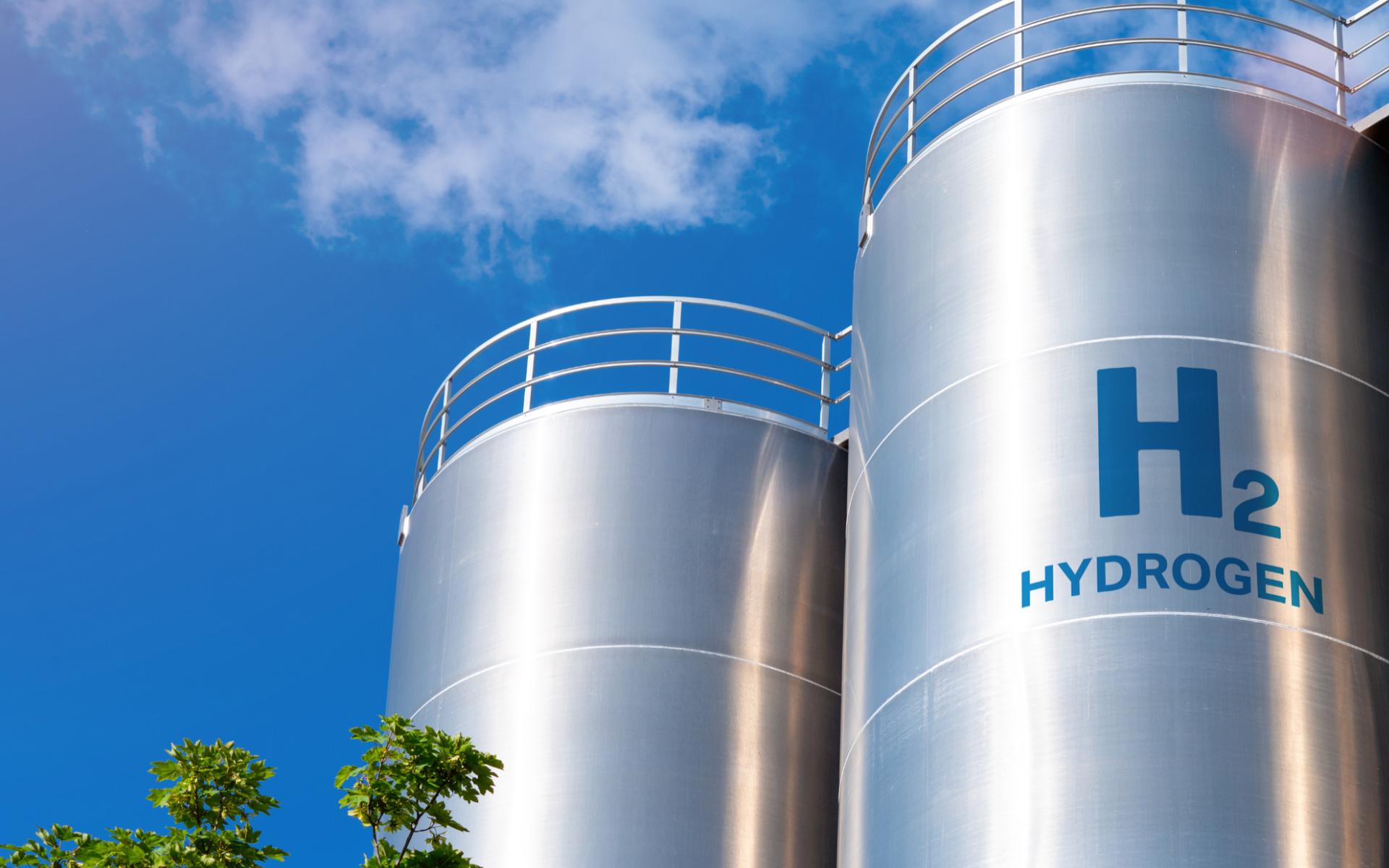
Morocco, in partnership with TAQA Group (Abu Dhabi National Energy Company) and Nareva, a Moroccan energy leader, has launched a new phase of cooperation focused on renewable energy and seawater desalination. This strategic alliance aims to support Morocco’s green transition, reduce dependence on imported energy, and meet growing water demand in arid regions.
The projects will combine solar and wind power generation with large-scale desalination infrastructure, particularly in coastal areas such as Dakhla, Laâyoune, and Agadir. These initiatives fall in line with Morocco’s National Water Plan and its commitment to reaching over 52% renewable energy in its electricity mix by 2030.
The collaboration will explore the development of hybrid energy systems that can provide low-carbon electricity for desalination plants, reducing both costs and environmental impact. These systems will be essential in improving water security and climate resilience in vulnerable areas of the country.
Advancing Green Energy and Water Sustainability
This partnership reflects Morocco’s ambition to position itself as a regional leader in sustainable infrastructure. TAQA brings international expertise in energy projects, while Nareva contributes local insight and experience in Moroccan terrain and regulations.
The integrated energy-desalination model is seen as a key solution to the country’s water stress challenges, especially in southern and rural regions. It also offers opportunities for innovation, job creation, and public-private partnerships in infrastructure.
The cooperation between Morocco, TAQA and Nareva is expected to attract global investment and establish models replicable in other parts of Africa and the MENA region.
For further reference:
المغرب، طاقة وناريفا يتعاونون في مشاريع الطاقة وتحلية المياه
أطلق المغرب، بالشراكة مع مجموعة طاقة الإماراتية وشركة ناريفا المغربية، مرحلة جديدة من التعاون في مجالات الطاقة المتجددة وتحلية مياه البحر. وتهدف هذه الشراكة الاستراتيجية إلى دعم التحول الأخضر في المملكة، وتقليل الاعتماد على واردات الطاقة، وتلبية الطلب المتزايد على المياه في المناطق الجافة.
ستجمع المشاريع بين توليد الكهرباء من الطاقة الشمسية والرياح وتشييد بُنى تحتية ضخمة لتحلية المياه، خاصة في المناطق الساحلية مثل الداخلة، العيون، وأكادير. وتندرج هذه المبادرات ضمن الخطة الوطنية للمياه في المغرب، والتزام المملكة بتحقيق أكثر من 52٪ من الكهرباء من مصادر متجددة بحلول عام 2030.
وسيتناول التعاون تطوير أنظمة هجينة للطاقة توفر كهرباء منخفضة الكربون لمحطات التحلية، مما يُخفض التكاليف والأثر البيئي، ويُعزز الأمن المائي وقدرة البلاد على التكيّف مع التغيرات المناخية.
تعزيز الطاقة الخضراء واستدامة المياه
تعكس هذه الشراكة طموح المغرب في أن يكون رائدًا إقليميًا في البُنى التحتية المستدامة. وتُساهم “طاقة” بخبرتها الدولية، بينما توفر “ناريفا” المعرفة المحلية بطبيعة الأرض والتشريعات المغربية.
ويُعتبر هذا النموذج المتكامل بين الطاقة والتحلية حلاً أساسياً لمواجهة أزمات شح المياه، خاصة في المناطق الجنوبية والقروية. كما يُوفر فرصًا للابتكار، وخلق وظائف، وتوسيع نطاق الشراكات بين القطاعين العام والخاص.
ويُتوقع أن يجذب هذا التعاون استثمارات دولية، ويُوفر نموذجًا قابلاً للتكرار في مناطق أخرى من إفريقيا والعالم العربي.
للمزيد: