Now Reading: Dakhla: Morocco’s Emerging “New Dubai”
-
01
Dakhla: Morocco’s Emerging “New Dubai”


Located on the Atlantic coast of southern Morocco, Dakhla is rapidly transforming into a major hub for tourism, renewable energy, and infrastructure development. Often dubbed the “New Dubai” of Morocco, this city is attracting significant attention from investors and travelers alike.
In recent years, Dakhla has seen a notable increase in tourism. In September 2024 alone, the city recorded 250,000 overnight stays, marking a 26% increase compared to the previous year. Hotel occupancy rates have risen, and air traffic has increased by 30%, reflecting the growing interest in this coastal gem.
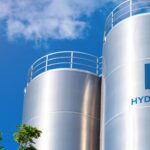
Beyond tourism, Dakhla is positioning itself as a leader in renewable energy. A significant project underway is the development of an 8 MW green hydrogen production plant, part of a broader initiative aiming for 10 GW in wind energy and 7 GW in photovoltaic energy. This project, known as the “White Dunes,” is expected to commence construction in 2025, with hydrogen production slated for 2028.
Strategic Infrastructure and Economic Development
Dakhla’s strategic location is further enhanced by the construction of the Dakhla Atlantic Port, a deep-water port designed to bolster trade between Africa and Europe. This port is part of Morocco’s national port strategy and is anticipated to significantly contribute to the region’s economic growth.
Additionally, the city is set to benefit from a 3 GW power link connecting Dakhla to Casablanca, with France expressing readiness to finance this ambitious project. This infrastructure will facilitate the transmission of renewable energy generated in Dakhla to other parts of Morocco.
The Moroccan government is also investing in agricultural development in the region. A new project aims to transform 52 square kilometers of land near Dakhla into farms producing fruits, vegetables, and animal feed, utilizing a wind-powered desalination plant for irrigation.
With its unique blend of natural beauty, strategic investments, and commitment to sustainable development, Dakhla is poised to become a significant player on the global stage.
For more information:
الداخلة: “دبي الجديدة” في المغرب تشهد نموًا متسارعًا
تقع مدينة الداخلة على الساحل الأطلسي في جنوب المغرب، وتشهد تحولًا سريعًا إلى مركز رئيسي للسياحة والطاقة المتجددة وتطوير البنية التحتية. غالبًا ما يُطلق عليها “دبي الجديدة” في المغرب، وتجذب هذه المدينة اهتمامًا متزايدًا من المستثمرين والمسافرين على حد سواء.
في السنوات الأخيرة، شهدت الداخلة زيادة ملحوظة في السياحة. في سبتمبر 2024 وحده، سجلت المدينة 250,000 ليلة مبيت، مما يمثل زيادة بنسبة 26% مقارنة بالعام السابق. ارتفعت معدلات إشغال الفنادق، وزادت حركة الطيران بنسبة 30%، مما يعكس الاهتمام المتزايد بهذه الجوهرة الساحلية.
بعيدًا عن السياحة، تضع الداخلة نفسها كقائدة في مجال الطاقة المتجددة. يتم حاليًا تطوير مشروع كبير لإنشاء محطة لإنتاج الهيدروجين الأخضر بقدرة 8 ميغاواط، كجزء من مبادرة أوسع تهدف إلى تحقيق 10 غيغاواط من طاقة الرياح و7 غيغاواط من الطاقة الكهروضوئية. من المتوقع أن يبدأ بناء هذا المشروع، المعروف باسم “الكثبان البيضاء”، في عام 2025، مع بدء إنتاج الهيدروجين في عام 2028.
البنية التحتية الاستراتيجية والتنمية الاقتصادية
تعزز موقع الداخلة الاستراتيجي من خلال بناء ميناء الداخلة الأطلسي، وهو ميناء عميق المياه مصمم لتعزيز التجارة بين إفريقيا وأوروبا. يعد هذا الميناء جزءًا من استراتيجية الموانئ الوطنية في المغرب، ومن المتوقع أن يساهم بشكل كبير في النمو الاقتصادي للمنطقة.
بالإضافة إلى ذلك، ستستفيد المدينة من رابط طاقة بقدرة 3 غيغاواط يربط الداخلة بالدار البيضاء، حيث أعربت فرنسا عن استعدادها لتمويل هذا المشروع الطموح. سيسهل هذا الرابط نقل الطاقة المتجددة المولدة في الداخلة إلى أجزاء أخرى من المغرب.
تستثمر الحكومة المغربية أيضًا في تطوير الزراعة في المنطقة. يهدف مشروع جديد إلى تحويل 52 كيلومترًا مربعًا من الأراضي بالقرب من الداخلة إلى مزارع تنتج الفواكه والخضروات وعلف الحيوانات، باستخدام محطة تحلية تعمل بطاقة الرياح للري.
بفضل مزيجها الفريد من الجمال الطبيعي والاستثمارات الاستراتيجية والالتزام بالتنمية المستدامة، تستعد الداخلة لتصبح لاعبًا مهمًا على الساحة العالمية.
لمزيد من المعلومات: