Now Reading: Ancient Cemeteries and 4,000-Year-Old Rock Art Discovered in Morocco
-
01
Ancient Cemeteries and 4,000-Year-Old Rock Art Discovered in Morocco

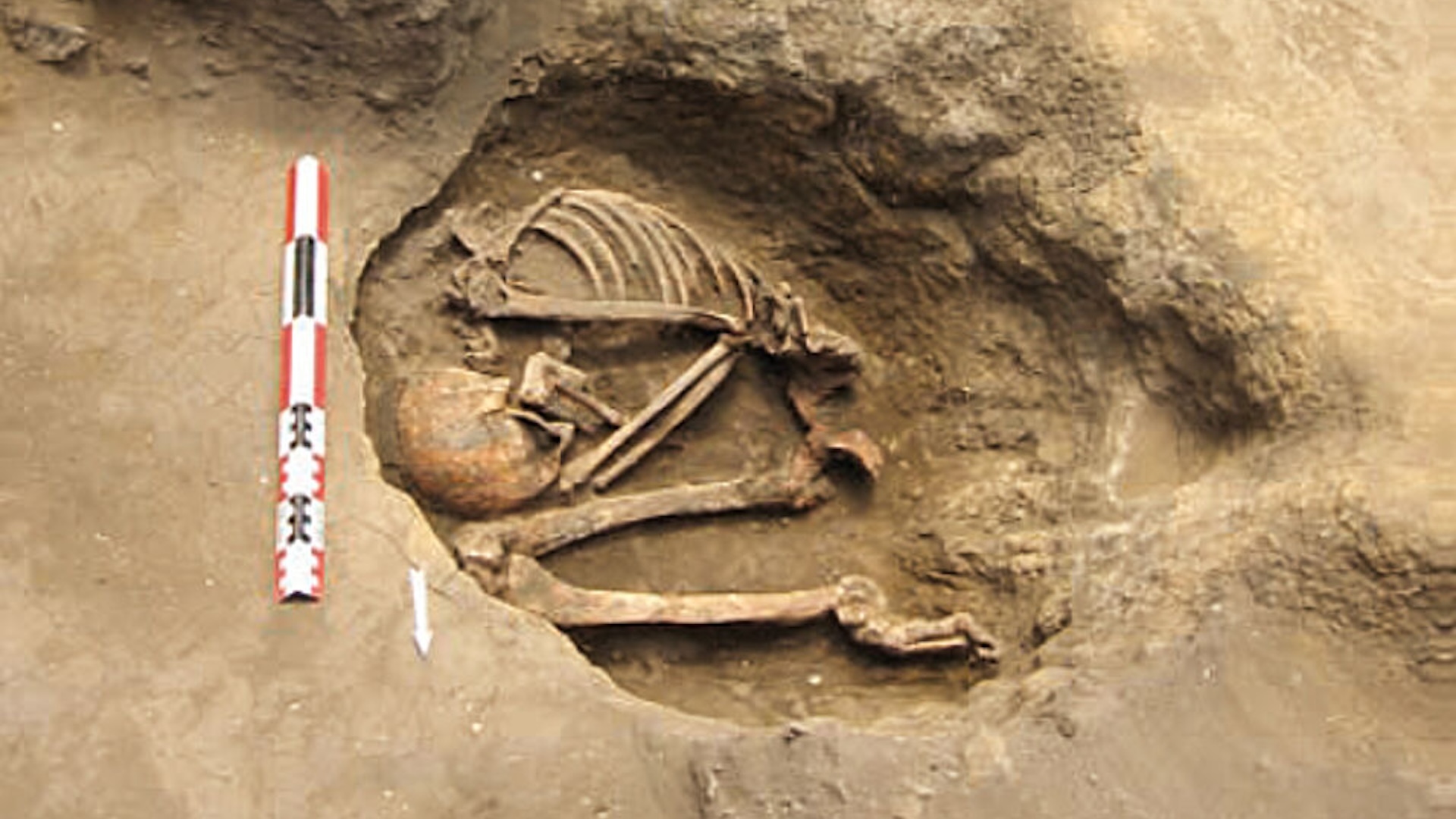
A team of archaeologists has uncovered ancient burial sites and prehistoric rock art dating back approximately 4,000 years in southern Morocco, near the Anti-Atlas Mountains and the Tata and Assa-Zag provinces. The discovery sheds light on early human life in the Sahara region and offers new insights into funerary traditions, symbolic art, and migration patterns during the Bronze Age.
The excavations were conducted by a joint Moroccan-international team composed of researchers from the National Institute of Archaeology and Heritage (INSAP) and several European universities. Dozens of tombs, stone structures, and engraved rocks were identified in what may have once been a major cultural and spiritual hub.
The burial sites revealed circular tombs, some lined with stone slabs, while the nearby rock art includes depictions of animals, humans, and abstract symbols carved into desert stone.
A Window into Sahara’s Forgotten Civilizations
The findings suggest that this region of Morocco was once more hospitable, possibly a green corridor used by nomadic populations. The art and burial remains indicate social complexity, spiritual beliefs, and cross-cultural exchange with other North African communities.

Experts believe that the engravings and site layout could be linked to ritual practices, solar alignment, and early trade routes crossing the Sahara. The Moroccan Ministry of Culture has emphasized the importance of preserving these sites as part of the country’s archaeological heritage.
These discoveries reaffirm Morocco’s position as a crossroads of ancient civilizations and highlight its growing role in global archaeological research.
For more information:
اكتشاف مقابر وفن صخري يعود إلى 4000 سنة جنوب المغرب
اكتشف فريق من علماء الآثار مقابر قديمة وفنًا صخريًا ما قبل التاريخ يعود إلى حوالي 4,000 عام في جنوب المغرب، وتحديدًا قرب جبال الأطلس الصغير وداخل مناطق طاطا وأسا الزاك. وتُسلط هذه الاكتشافات الضوء على حياة الإنسان في الصحراء خلال العصر البرونزي، وتوفر فهمًا أعمق لـ الطقوس الجنائزية والرموز الفنية وحركات التنقل القديمة.
جرت عمليات التنقيب من قِبل فريق مشترك بين باحثين مغاربة ودوليين، يضم خبراء من المعهد الوطني لعلوم الآثار والتراث (INSAP) وجامعات أوروبية مرموقة. وتم تحديد عشرات المدافن والهياكل الحجرية والنقوش الصخرية في موقع يُعتقد أنه كان مركزًا ثقافيًا وروحيًا مهمًا في تلك الحقبة.
كشفت المقابر عن قبور دائرية مرصوفة بالحجارة، فيما أظهرت النقوش القريبة رسومات لحيوانات وبشر ورموز تجريدية منحوتة على الصخور الصحراوية.
نافذة على حضارات منسية في الصحراء
تشير النتائج إلى أن المنطقة كانت في الماضي أكثر خصوبة، وربما كانت ممرًا أخضر تستخدمه القبائل الرُحّل. وتُبرز الزخارف الجنائزية والنقوش وجود تعقيد اجتماعي ومعتقدات روحية وتبادلاً ثقافيًا مع مجتمعات أخرى في شمال إفريقيا.
ويرى الخبراء أن النقوش وتخطيط الموقع ربما ترتبط بـ ممارسات طقسية، أو محاذاة شمسية، أو طرق تجارة قديمة كانت تمر عبر الصحراء. وشدّدت وزارة الثقافة المغربية على أهمية حماية هذه المواقع كجزء من التراث الأثري الوطني.
وتُعزز هذه الاكتشافات مكانة المغرب كمفترق طرق للحضارات القديمة، وتؤكد دوره المتنامي في الأبحاث الأثرية العالمية.
للمزيد: