Now Reading: Morocco Ranks in Top 10 Globally for Environmental Sustainability
-
01
Morocco Ranks in Top 10 Globally for Environmental Sustainability


Morocco has officially entered the global top 10 ranking for environmental sustainability, as reported by the 2025 Climate Change Performance Index (CCPI). This recognition highlights the country’s progress in reducing carbon emissions, investing in renewable energy, and implementing bold climate policies in line with the objectives of the Paris Agreement.
Thanks to major projects like the Noor Ouarzazate Solar Complex — one of the largest solar farms in the world — and the Tarfaya Wind Park, Morocco has rapidly become a regional leader in clean energy. These developments are part of its national goal to produce 52% of its electricity from renewable sources by 2030, a commitment that places Morocco at the forefront of green transition efforts in the Global South.
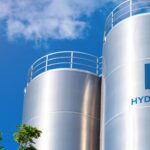
According to environmental analysts, Morocco’s strategy combines infrastructure investment, public-private partnerships, and proactive policymaking. This includes efforts to modernize water usage in agriculture, promote electric mobility, and develop green hydrogen technologies — positioning the country as a reference point for sustainable development across Africa and the Middle East.
A Green Model in Africa and the Arab World
Moreover, Morocco’s leadership goes beyond energy. The kingdom has implemented strong environmental governance mechanisms, promoted reforestation programs, and prioritized sustainable urban planning to combat pollution and adapt to climate change.
This achievement confirms Morocco’s role as a reliable partner in global climate diplomacy, regularly participating in international summits and fulfilling its commitments under the United Nations Framework Convention on Climate Change (UNFCCC).
For full rankings and methodology, visit the CCPI official site.
دخل المغرب رسميًا قائمة أفضل 10 دول في العالم في الاستدامة البيئية، وفقًا لتقرير مؤشر أداء تغير المناخ لعام 2025 (CCPI). ويؤكد هذا التصنيف التقدم الكبير الذي حققه المغرب في خفض الانبعاثات الكربونية، والاستثمار في الطاقات المتجددة، وتطبيق سياسات مناخية طموحة تتماشى مع اتفاق باريس للمناخ.
بفضل مشاريع ضخمة مثل محطة نور ورزازات للطاقة الشمسية، إحدى أكبر المحطات في العالم، ومزرعة الرياح في طرفاية، استطاع المغرب أن يتبوأ مكانة رائدة إقليميًا في مجال الطاقة النظيفة. وتندرج هذه الجهود ضمن استراتيجية وطنية تهدف إلى إنتاج 52٪ من الكهرباء من مصادر متجددة بحلول عام 2030، مما يضع المملكة في صدارة التحول الأخضر في الجنوب العالمي.
نموذج أخضر في إفريقيا والعالم العربي
وتعتمد الاستراتيجية المغربية على الاستثمار في البنية التحتية، والشراكة بين القطاعين العام والخاص، إلى جانب سياسات استباقية تشمل ترشيد استخدام المياه في الزراعة، وتشجيع النقل الكهربائي، وتطوير تقنيات الهيدروجين الأخضر — مما يجعل المغرب نموذجًا للتنمية المستدامة في إفريقيا والعالم العربي.
ولم تقتصر جهود المملكة على الطاقة فحسب، بل شملت أيضًا تعزيز حوكمة بيئية فعّالة، وتنفيذ برامج تشجير، وتخطيط حضري مستدام يهدف إلى الحد من التلوث والتكيف مع آثار التغير المناخي.
هذا الإنجاز يكرّس دور المغرب كشريك موثوق في الدبلوماسية المناخية الدولية، حيث يشارك بانتظام في القمم العالمية ويلتزم بتعهداته في إطار اتفاقية الأمم المتحدة الإطارية بشأن تغيّر المناخ.
لمزيد من التفاصيل حول التصنيف والمنهجية، يُرجى زيارة الموقع الرسمي لـ CCPI.